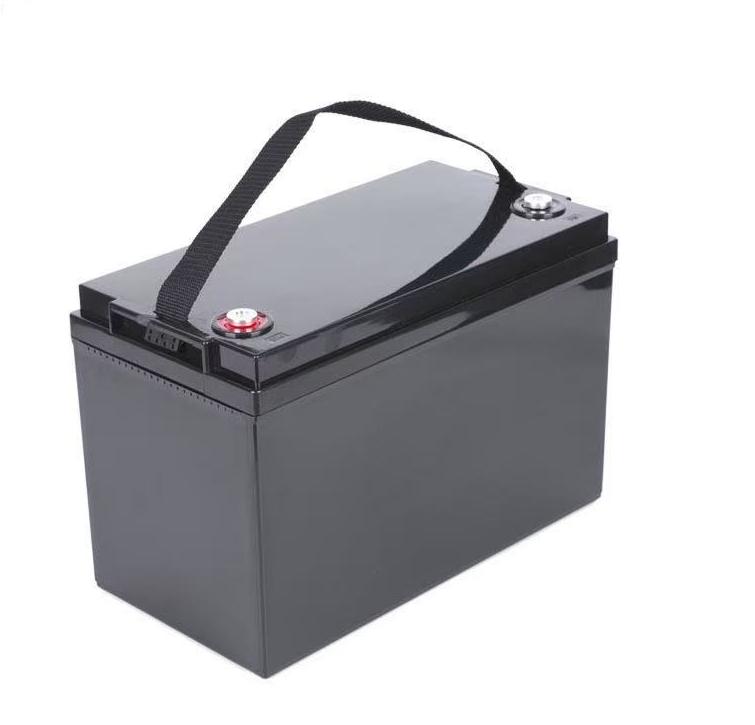
12V 100Ah LiFePO4 Battery Pack
A 12V-class lithium iron phosphate pack listed for sustained energy supply. Review charge-temperature limits and installation conditions with the engineering team.
12.8V100Ah10–14.6V
A focused LiFePO4 product collection for equipment, backup and storage projects. Compare voltage families and mechanical formats before discussing a system design.
Catalogue data is a starting point. Confirm the current model specification and application requirements before design-in.
A 12V-class lithium iron phosphate pack listed for sustained energy supply. Review charge-temperature limits and installation conditions with the engineering team.
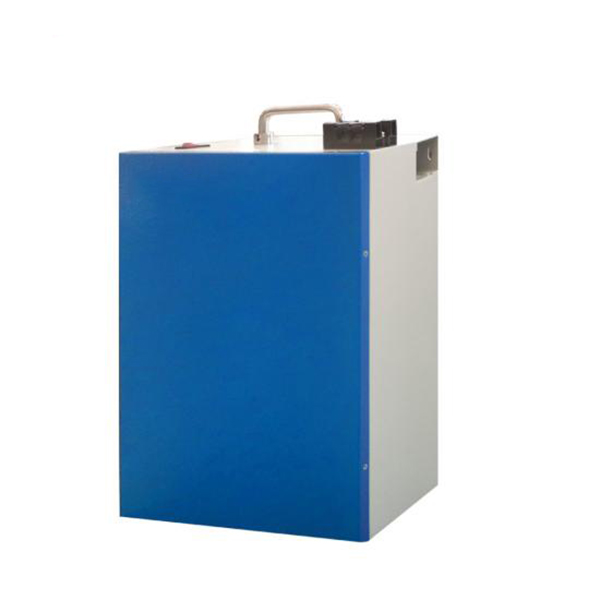
A 24V-class lithium iron phosphate configuration for equipment power or a tailored storage project. Request a drawing and approved BMS specification for the intended installation.
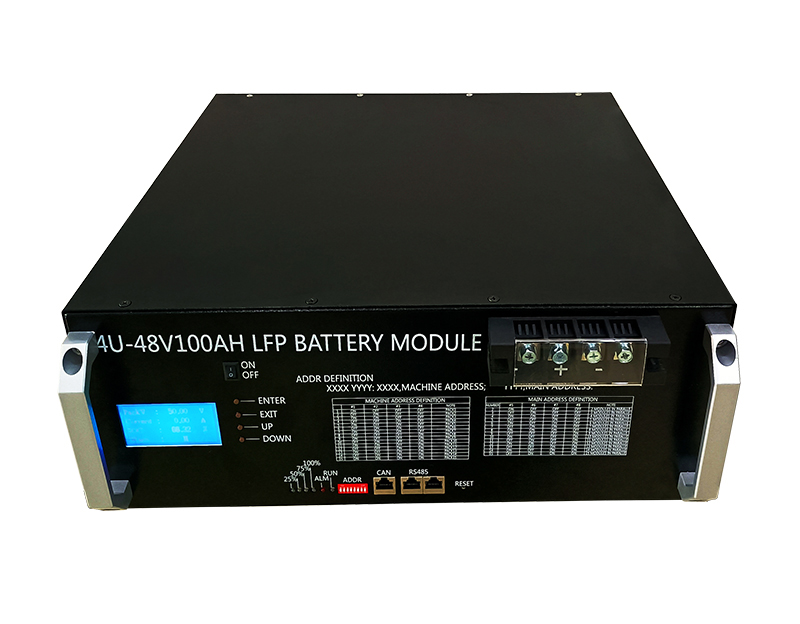
A rack-style lithium iron phosphate pack listed by Jetray for household energy storage. Inverter protocol and system compatibility require confirmation for each project.
LiFePO4 Battery Packs selection starts with the equipment. Use electrical, mechanical and operating requirements to create a clearer supplier conversation.

Photography from Jetray’s published factory page.
A voltage-family label is not a complete specification. Confirm operating and charging limits for the selected model.
Check charger settings, temperature limits and restart behavior against the battery specification.
Confirm terminals, mounting, cable protection and the acceptance conditions for the installed system.
Each application needs its own integration review. A similar voltage or physical format does not establish compatibility.
Match the charger profile, switching behavior and power requirements of the supported equipment.
Review requirementsEvaluate loads, low-temperature conditions and enclosure requirements before replacing an existing battery.
Review requirementsDiscuss system voltage, inverter compatibility and installation requirements with a qualified integrator.
Review requirementsPractical guidance for engineers and purchasing teams, with sources for further review.
Review voltage, charging, loads, installation and system behavior before proposing a lithium replacement for lead-acid equipment.
Read the guideCompare cycle-life specifications using depth of discharge, temperature, current, capacity retention and the intended operating schedule.
Read the guideAsk suppliers for comparable battery specifications and clearly distinguish confirmed model data from customization requests.
Read the guideKeep the important decisions visible.
Do not assume compatibility from a similar case size or voltage label. The charger, protection, current demand and installation conditions must all be checked.
Cycle life depends on depth of discharge, charge and discharge rates, temperature, voltage limits and the stated end-of-life criterion. Ask for test conditions for the exact model.
Only use configurations explicitly permitted by the model documentation. Ask Jetray to confirm balancing, protection and wiring requirements.
Share the load, dimensions and intended use. Ask for a current model specification and a project review.